
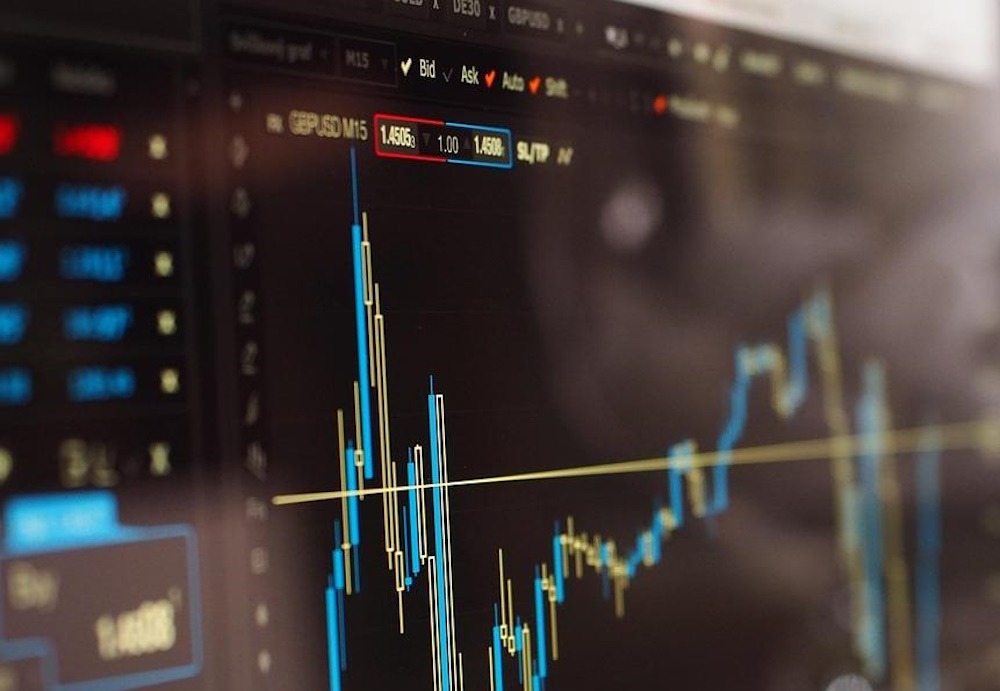
The first session of December didn’t carry the same energy as the final stretch of November. The Dow slipped 0.9 percent, and the S&P 500 and Nasdaq followed with smaller declines after the strong showing in last week’s shortened Black Friday trading. That particular Monday felt like a day when investors paused to catch their breath rather than act on any particular piece of news. Several traders described the tone as a sort of “reset,” the kind that often happens when investors finish a busy period and glance at positions that may have outrun fundamentals during a fast week.
Part of the hesitancy came from another upward move in Treasury yields. The 10-year note drifted toward 4.10 percent after ending Friday at roughly 4.01 percent. It wasn’t a dramatic swing, but it was enough to pull attention back to the cost of capital. Some firms had spent the past month budgeting for the coming year, and analysts mentioned that a few companies may rethink how aggressively they fund long-horizon initiatives. Those possibilities didn’t send stocks sharply lower but contributed to the subdued tone, especially in sectors that are sensitive to small moves in borrowing assumptions or discount rates.
The crypto space added its own noise. Bitcoin shot above $91,300 overnight before reversing toward $85,500 later in the afternoon. Ethereum and Solana slid similarly, and the companies tied most directly to the industry moved almost in lockstep. Strategy, MARA Holdings, Coinbase, Riot Platforms, and Robinhood all traded a few percent lower.
Some analysts noted that crypto price swings often spill into corners of the market that sit well outside traditional finance. Online casinos operating abroad, which tend to support digital-currency deposits with fewer regulatory restrictions at these sites, are one example. Cross-border remittance apps that rely on token-based rails show similar patterns, with transaction volumes rising and falling alongside major coins. Stablecoin settlement platforms, which have become popular for quick transfers between exchanges, often see the pace of movement shift as liquidity rotates through different tokens. Those dynamics show how moves in Bitcoin and other large tokens ripple outward, adding to the broader sense of caution that had already been visible in the Dow’s pullback earlier in the day.
Tech stocks had a mixed day, leaning negative more often than not. Several well-known names gave back some of their recent gains as investors revisited valuation concerns that had faded during the past couple of weeks. AI spending remains a major theme, but Monday’s action hinted that traders were questioning how aggressively budgets will support those efforts next year. Nvidia stood out for the opposite reason. The company’s shares rose around 1.7 percent after expanding its work with Synopsys through a two-billion-dollar investment. Synopsys climbed even more sharply, becoming one of the better performers in the major indexes and drawing fresh attention to chip-design tools.
Shopify had a more difficult session. Its stock fell nearly 6 percent after reports that some merchants struggled to reach administrative dashboards and point-of-sale functions on Cyber Monday. The timing raised concern, as even short interruptions can affect holiday sales for small and mid-sized sellers. Shopify worked on the issue throughout the day, though traders were left trying to estimate how much disruption a brief outage might cause. It’s common for markets to overreact in these situations, yet the drop made sense given the importance of late-November and early-December traffic for many online businesses.
In Europe, Airbus faced its own challenges. Shares declined roughly 6 percent after reports emerged about a quality concern involving fuselage panels on some A320-family aircraft. The news followed a disclosure from late last week that intense solar radiation might interfere with certain flight-control data on particular models. While Airbus emphasized that safety procedures remain appropriate, investors reacted to the possibility of additional inspections, temporary delays, or adjustments to production sequences. The aviation sector has already been dealing with supply and delivery pressures this year, so another operational complication, however manageable, landed at an inconvenient moment.
Commodity markets moved at a calmer pace. Oil climbed about 1.7 percent, leaving WTI crude near 59.50 dollars per barrel as traders revisited supply expectations after recent conversations among large producers. Gold added around 0.4 percent to roughly 4,270 dollars per ounce. These moves didn’t spark much commentary, but they helped set a more stable backdrop behind the choppier equity and crypto activity. Meanwhile, the dollar index eased to around 99.42, which said more about a modest preference for other currencies than any meaningful shift in global conditions. That combination reinforced the idea that markets weren’t reacting to a single catalyst.
Even with the decline, several analysts argued that sentiment has not changed dramatically. November brought gains for the S&P 500 and the Dow, helping extend a comfortable run into late fall. Portfolio rebalancing tends to begin early in December, and some of the price action showed signs of those familiar adjustments. Inflation readings, holiday sales numbers, and earnings-related updates might play a larger role in shaping expectations for early 2026. For now, the market looks more like it is processing various moving parts rather than responding to a specific concern or changing direction altogether.
The rest of the month may see uneven trading as investors absorb data and monitor sectors that have swung back and forth lately, particularly crypto and large-cap tech. Rate expectations will also continue to influence day-to-day moves, especially in names that rely on longer-term growth assumptions. The first of December didn’t resolve much, but it didn’t introduce any new drama either. Instead, it set the stage for a stretch of trading shaped by smaller adjustments and occasional bursts of volatility as the year winds toward its close and market participants prepare for what early 2026 may bring.