S&P and Nasdaq futures edged higher on Wednesday following a significant selloff in technology shares that unsettled Wall Street. Investors are now turning their attention to earnings from memory-chip maker Micron for insights into the vitality of the artificial intelligence sector. Meanwhile, oil prices continue to decline as advancements in U.S.-Iran negotiations alleviate supply concerns, while new developments involving Nvidia, Meta, and major stock indexes underscore the significance of AI and market structure as central themes for investors.
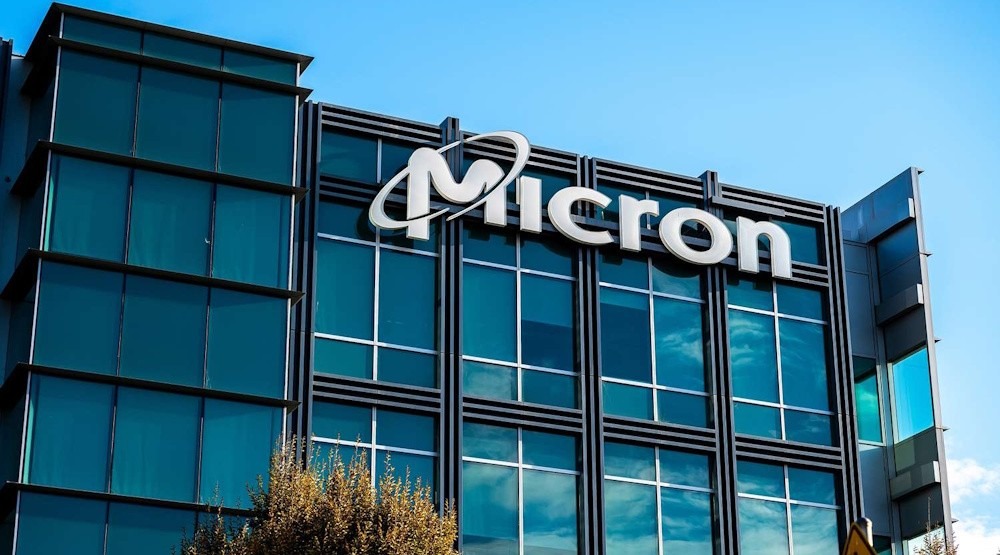
U.S. stock index futures experienced an uptick early Wednesday, indicating a slight rebound following a challenging session for technology and semiconductor equities. By 0422, S&P 500 futures were up 0.2%, while Nasdaq futures gained 0.5%. Dow futures lagged, declining by 0.16%. Investors exhibited optimism in response to robust business activity data that surpassed expectations, alongside ongoing reductions in oil prices, which have approached levels seen prior to the conflict as tensions between the U.S. and Iran diminish. Attention is now focused on the quarterly results from Micron Technology, a leading player in the global memory-chip manufacturing sector. The company is regarded as a crucial indicator of AI-related expenditure due to the extensive use of its chips in data centers and sophisticated computing systems. Micron’s results may serve as a critical assessment of whether the demand associated with artificial intelligence is sufficiently robust to validate the sector’s elevated valuations in the wake of recent market fluctuations.
Prices for Nvidia’s most advanced AI systems have more than doubled on China’s black market as U.S. export restrictions tighten access to cutting-edge American technology. According to the source, Nvidia’s DGX B300 server is now selling for more than 8 million yuan in unofficial channels, up from roughly 4 million yuan six months ago. The system comprises eight of Nvidia’s powerful Blackwell AI processors. The surge underscores the persistent demand for advanced AI hardware in China, even in the face of prolonged U.S. efforts to limit exports of cutting-edge semiconductor technology. The development also highlights Nvidia’s preeminent status in the AI ecosystem. Even with restrictions in place, the demand for the company’s products continues to be robust enough to sustain considerably elevated prices in secondary markets. For investors, the narrative underscores the dual aspects of opportunities and risks confronting AI leaders. Global demand remains strong; however, geopolitical tensions are increasingly influencing the markets for advanced technologies, dictating both their distribution and sales strategies.
The Trump administration is reportedly requesting that Meta voluntarily submit its artificial intelligence models for government review, according to a report. According to the report, Meta stands out as the sole significant U.S. AI developer that has not consented to engage in a federal review process. The company introduced its most sophisticated AI model, Muse Spark, at the beginning of this year. The request arises as Washington assumes a more proactive stance in the oversight of advanced AI systems. Earlier this month, the administration enacted stringent restrictions on Anthropic’s premier AI models due to national security apprehensions, compelling the company to temporarily halt access prior to finalising an agreement with regulators. While the review process is voluntary, the Anthropic episode illustrated the government’s readiness to intervene decisively when it perceives that advanced AI technology may present security threats. For investors, this development serves as yet another reminder that regulation is increasingly becoming a significant factor in the AI industry. Government oversight may impact product launches, international expansion strategies, and prospective revenue streams for prominent AI firms.
Honeywell Aerospace is poised to enter both the S&P 100 and S&P 500 following its imminent spinoff from Honeywell International, leading to a flurry of activity among institutional investors as they recalibrate their portfolios. The company is set to replace Honeywell in the S&P 100 and will take the position of Conagra Brands in the S&P 500 upon the completion of the transaction on June 29. The announcement propelled Honeywell Aerospace’s when-issued shares upward by over 9% in after-hours trading, as investors foresaw acquisitions from index funds aligned with the benchmarks. Index inclusions frequently generate significant demand, as passive funds are obligated to acquire newly added stocks to replicate the benchmark.
Alphabet will replace Verizon in the Dow Jones Industrial Average later this month, marking the latest evolution of one of America’s most closely monitored stock indexes. The change will take effect on June 29 and represents the first adjustment to the Dow since Nvidia and Sherwin-Williams joined the benchmark in late 2024. The addition reflects Alphabet’s increasing significance within the U.S. economy and financial markets, especially as artificial intelligence emerges as a more substantial catalyst for corporate growth and investment. Although the Dow comprises merely 30 companies, being part of the index frequently enhances a company’s visibility to investors and may result in increased demand from funds that monitor the benchmark.