Dow futures exhibited a mixed performance on Tuesday, as escalating tensions between the United States and Iran contributed to investor unease in anticipation of a crucial week for the markets. Traders are gearing up for the commencement of the second-quarter earnings season, anticipating results from the largest U.S. banks. Concurrently, a crucial inflation report and testimony from Federal Reserve Chair Kevin Warsh may influence expectations regarding interest rates. Meanwhile, Nvidia is tightening controls on who can buy its AI chips as Washington’s technology restrictions continue to ripple across the semiconductor industry.
Dow futures exhibited a mixed performance as investors maintained a cautious stance in anticipation of several pivotal market events, including significant bank earnings, new inflation data, and ongoing conflict in the Middle East. Markets are currently processing a resurgence of volatility in technology stocks following a tumultuous few weeks for the artificial intelligence sector. This week has the potential to establish the prevailing sentiment for the remainder of the summer. Corporate earnings, inflation data, and remarks from Federal Reserve officials will all play a crucial role in assessing whether equities can recover their momentum following recent declines.
Geopolitical tensions have persisted at a heightened level following the U.S. military’s execution of a third consecutive night of strikes against Iran, aimed at military installations purportedly associated with assaults on commercial shipping. U.S. Central Command indicated that the operation aimed to diminish Iran’s capacity to pose threats to vessels navigating the Strait of Hormuz, a critical artery for global oil transportation. Earlier in the day, President Donald Trump reinstated a U.S. naval blockade against Iran and proposed charging a 20% reimbursement fee for protecting commercial ships passing through the Strait. The latest developments indicate that the standoff between Washington and Tehran is still unresolved, despite recent diplomatic efforts. The Strait of Hormuz continues to represent a significant risk that warrants close attention. Any extended interruption to shipping may elevate oil prices, exacerbate inflation, and heighten volatility throughout international markets.
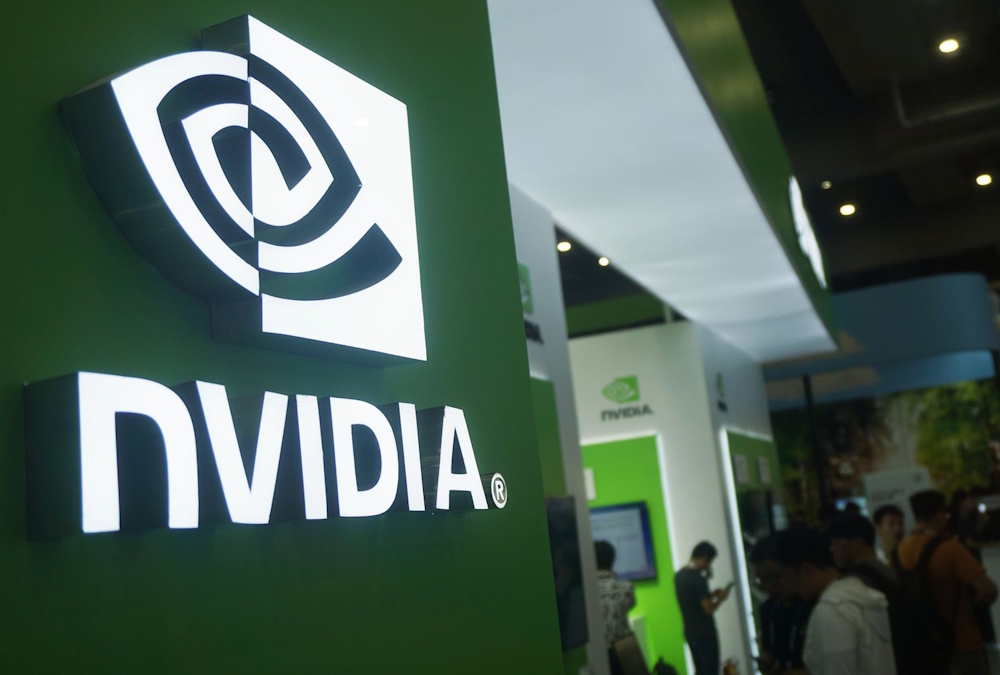
Nvidia has reportedly reduced by more than half the number of Asian customers authorised to purchase its artificial intelligence chips as it enhances compliance with U.S. export restrictions. According to the source, the company has established a new “white list” of approved buyers and enhanced due diligence efforts in Singapore, Malaysia, and Japan. More than half of its prior clientele were reportedly excluded, although firms may reapply upon fulfilling the new criteria. The action occurs as Washington persists in enhancing regulations designed to obstruct the flow of advanced AI technology to restricted locations, notably China. The report underscores the robust demand for AI chips; however, it notes that geopolitics is emerging as a significant consideration for firms within the semiconductor sector. Export controls may impact sales growth, despite the increasing global demand for AI hardware.
Second-quarter earnings season commences in earnest on Tuesday, as numerous major U.S. banks are poised to disclose their results. JPMorgan Chase, Bank of America, Goldman Sachs, Wells Fargo, and Citigroup are set to announce their earnings, providing investors with an initial insight into the performance of corporate America during a quarter characterised by geopolitical uncertainty and changing expectations regarding interest rates. Bank earnings serve as a critical indicator of the overall economic landscape, offering valuable insights into consumer spending patterns, business lending dynamics, investment banking performance, and the quality of credit available in the market. For retail investors, the reports may provide significant insights into the robustness of the U.S. economy. Robust results could bolster market confidence in the resilience of businesses and consumers, whereas disappointing figures might heighten apprehensions regarding a deceleration in growth.
Investors will be closely monitoring the Consumer Price Index report for June, scheduled for release on Tuesday, as it may provide new insights into the trajectory of U.S. interest rates. The inflation reading arrives amid growing market expectations that the Federal Reserve will maintain elevated borrowing costs for an extended period, with certain investors contemplating the likelihood of an additional rate hike prior to year-end. Fed Governor Christopher Waller stated on Monday that the central bank might have to increase interest rates should inflation continue to significantly exceed its 2% target. Meanwhile, newly appointed Fed Chair Kevin Warsh is set to commence two days of congressional testimony that may offer additional clarity regarding the central bank’s perspectives. Inflation continues to be a significant factor influencing market dynamics. A stronger-than-expected CPI reading could diminish expectations for lower interest rates and exert pressure on equities, especially within the technology sector. A softer reading, meanwhile, could rekindle expectations that the Fed may ultimately have the capacity to ease monetary policy.