Dow Futures linked to the main U.S. averages rise, after a rally in chipmaking stocks powered a jump in the S&P 500 and in the prior session. Oil prices drop, with markets focused on the uncertain trajectory of talks to end the war in Iran. Elsewhere, a majority of unionized workers at approved a tentative wage agreement.
Dow futures pointed higher on Wednesday, following a spike in the prior session, as investors assessed both hopes for a breakthrough in U.S.-Iran peace talks and ongoing enthusiasm around the development of artificial intelligence. By 03:34, the had risen by 127 points, or 0.3%, S&P 500 futures had ticked up by 11 points, or 0.1%, and had gained 60 points, or 0.2%. The main averages on Wall Street rose on Tuesday, with the benchmark S&P 500 and the tech-heavy Nasdaq Composite notching fresh record closing highs. The blue-chip was the laggard, finishing in negative territory. Chip stocks were among the biggest gainers, powered by soaring growth in spending on the infrastructure needed to power AI. “Iran dominated the market conversation, but the parabolic surge in AI-linked stocks is occurring independent of anything happening in the Middle East,” analysts said in a note to clients.
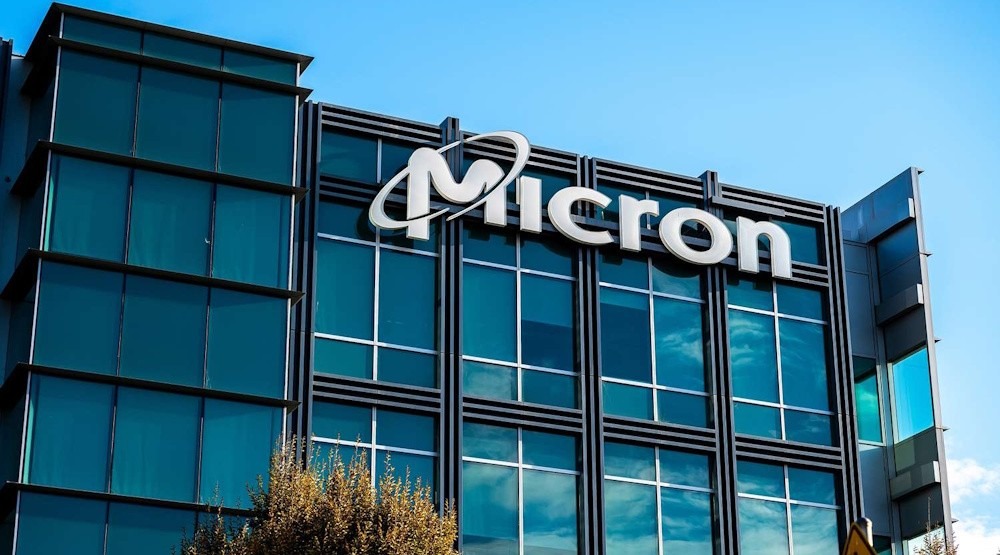
Shares in Micron, in particular, spiked, sending the semiconductor giant’s market value above $1 trillion for the first time. That uptick has appeared to carry on. In premarket trading on Wednesday, Micron shares rose by more than 4%. As an increasing number of technology firms race to build up their AI capabilities, demand for the high-end chips made by companies like Micron has been sky-high — so much so, that Micron has indicated that its entire annual supply of high-bandwidth memory processors has already sold out. This crunch has driven a climb in memory-chip prices, heaping further fuel on to Micron’s potential returns and making the group a darling of traders. According to regulatory filings cited by Reuters, Micron has become a particular favorite of institutional investors.
Uncertainty has come to surround discussions to end a nearly three-month old war between the U.S. and Iran. News outlet Al Jazeera has reported that indirect negotiations between Washington and Tehran have continued, despite an exchange of fire earlier this week. The U.S. stressed that a shaky ceasefire remained in place, although Iran has warned of retaliation should the truce be violated. Reports this week have suggested that the U.S. and Iran were close to a framework deal. The terms of the agreement included an extension to the ceasefire and a reopening of the Strait of Hormuz, a vital waterway off Iran’s southern coast through which a fifth of the world’s oil flows. The strait has been largely shuttered since the start of the war in late February. Potentially complicating the diplomatic efforts was a new clash between Israel’s military and Iran-backed Hezbollah militants in southern Lebanon, as reported. Tehran has demanded that any peace deal also conclude fighting in Lebanon.
Against this backdrop, Brent crude futures, the global oil benchmark, fell. The contract was last exchanging hands down by 2.2% at $97.38 a barrel, below recent peaks above $100 a barrel, but still well above pre-war levels. The Strait of Hormuz remained a key point of focus in the war, with Iran having effectively blocked the waterway after the onset of U.S. and Israeli hostilities. News reports that a few vessels have successfully crossed the channel this week helped spur some optimism over its reopening. Yet oil flows through the conduit remained at a fraction of levels before the outbreak of the conflict.
A majority of unionized workers at Samsung Electronics approved a tentative wage agreement on Wednesday, averting a major strike that had threatened global chip supplies and South Korea’s economy. About 74% of workers who participated in the vote supported the deal, according to the union. The agreement suspended plans for an 18-day strike involving about 48,000 workers, most of them from Samsung’s semiconductor operations. Seoul-listed Samsung shares closed higher by 2.7%. The government-mediated deal was reached last week after tense negotiations over bonus structures and profit-sharing linked to booming demand for artificial intelligence memory chips.