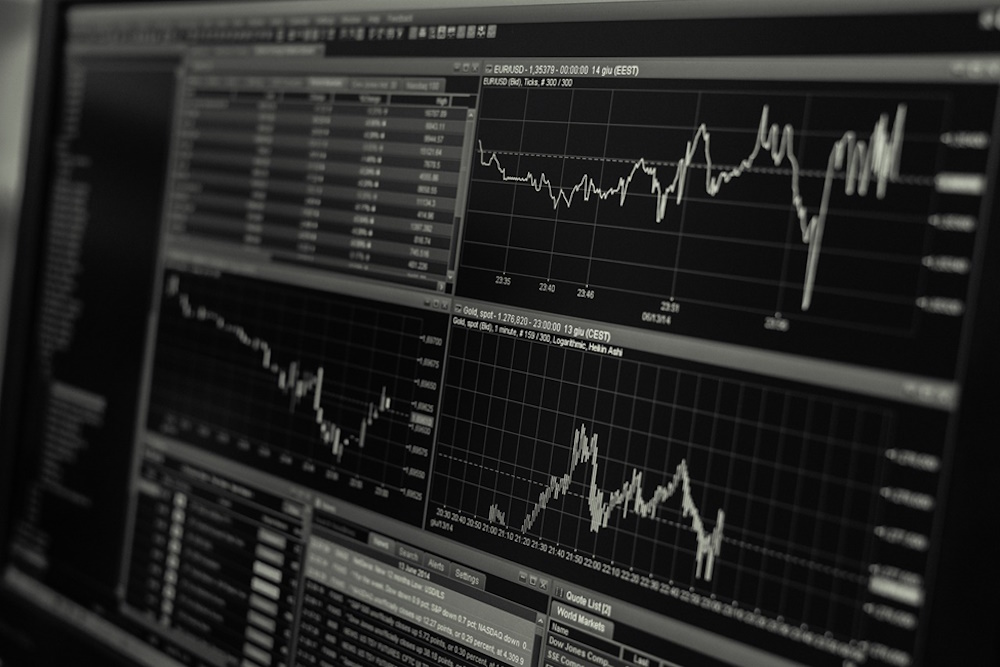
Nasdaq Futures indicate a predominantly downward trend, with Nasdaq futures experiencing the most significant declines. Shares in Nvidia declined during after-hours trading following reports that the board of the artificial intelligence leader may be considering the removal of long-time CEO Jensen Huang. Alibaba’s stock price experiences a decline due to heightened concerns regarding increased U.S. scrutiny of chip exports to China. Meanwhile, oil prices exhibit volatility as traders evaluate the direction of diplomatic initiatives aimed at resolving the conflict in Iran.
Nasdaq futures indicated a downward trajectory on Thursday. By 03:09, the Nasdaq 100 futures contract had declined by 240 points, or 0.9%, S&P 500 futures had decreased by 32 points, or 0.4%, while Dow futures remained largely stable. The primary indices on Wall Street experienced an upward movement in the previous session. The AI trade’s rollercoaster ride took another turn, with investors demonstrating renewed enthusiasm for the nascent technology due to an optimistic financial forecast from neocloud player CoreWeave, excitement surrounding Claude-maker Anthropic’s potential landmark initial public offering, and a reported surge in revenue at OpenAI. By the conclusion of trading on Wednesday, the Nasdaq Composite recorded an increase of 1.6%, aiding the tech-centric index in recovering some of the losses incurred during a significant selloff the previous week, which was driven by apprehensions that Democratic successes in the U.S. midterm elections might result in a deceleration of swift AI advancement. Stocks and bonds faced pressure earlier this week due to unexpectedly high U.S. inflation data, which fuelled speculation that the Federal Reserve might implement a larger-than-usual interest rate increase at its final meeting of the year in December. “The crazy whipsawing post midterms continued yesterday,” analysts said in a note.
That volatility has persisted, this time driven by a significant scandal involving the head of Nvidia, which has impacted the shares of the AI semiconductor giant. In after-hours trading on Thursday, Nvidia’s stock price experienced a decline of over 6% following a report indicating that the company’s board is considering the removal of CEO Jensen Huang due to allegations of an extramarital affair with a purported Chinese spy and another with an employee. The board was set to convene as early as Wednesday to determine Huang’s future, according to the source, referencing sources with knowledge of the situation. Should he step down, Huang – who oversees approximately 60 direct reports – would create a significant leadership void that could introduce considerable uncertainty regarding Nvidia’s future. The company’s advanced chips have positioned it as a cornerstone of the AI sector and one of the most valuable enterprises globally. Huang, recognised for his distinctive black leather jackets and fervent advocacy of the AI surge at global conferences, holds the position of Nvidia’s largest shareholder, with an approximate 3.6% stake in the company. Highlighting Huang’s significance to Nvidia, analysts at broking Yorkville Ives forecasted that the company could experience a reduction of a quarter of its valuation in the event of his departure.
In other developments, Chinese AI stocks experienced a decline amid concerns that the Huang controversy might lead to heightened scrutiny from the U.S. regarding the access of domestic operators to advanced chips. Alibaba, in particular, experienced a decline of over 6% during trading in Hong Kong. The Chinese e-commerce and AI titan has secured Nvidia chips via Megaspeed, a firm whose founder is reportedly linked to an affair with Huang and has connections to the Chinese intelligence community. Other model developers such as MiniMax and Z.AI have also experienced declines. Critically, the declines occur as Alibaba and its counterpart Tencent are set to release their latest quarterly results next week, amid swirling questions regarding how these companies are acquiring the chips and computing capacity essential for advancing their AI ambitions. On Thursday, the Chinese government urged the United States to refrain from leveraging Huang’s scandal as a justification for imposing stricter chip export restrictions, as reported. Beijing has indicated that it is maintaining communication with officials in Washington.
On the earnings front, investors will be anticipating a new set of results from the tech sector as they seek to assess the vitality of the AI era. Returns are set to be released from Cisco Systems and Applied Materials following the closing bell. Cisco supplies the essential networking equipment required in AI data centers, whereas Applied Materials delivers the semiconductor manufacturing equipment utilised in the production of processors. Nebius Group will also attract attention when it reports prior to the commencement of U.S. trading. Shares of the neocloud surged by more than 15% on Wednesday, after peer Core.Weave unveiled optimistic full-year projections that alleviated concerns regarding the sustainability of its substantial multi-billion dollar debt burden.
Oil prices fluctuated near the equilibrium as traders monitored the inconsistent signals regarding a possible easing of tensions in the Middle East. The source reported on Wednesday evening that U.S. Vise President JD Vance was contemplating in-person discussions with a senior Iranian security official. The potential negotiations signify a revitalised initiative by Washington to conclude the war, following Vance’s assertion that the conflict has adversely impacted the Republican Party’s performance in the upcoming November midterm elections. U.S. President Donald Trump has indicated a willingness for Vance to resume discussions with Iran, according to the report, which noted that the conversations regarding Vance engaging in direct talks are still in the early stages. The U.S. and Iran continued to be in conflict regarding the Strait of Hormuz and a naval blockade aimed at Tehran, resulting in market uncertainty concerning potential supply disruptions in the Middle East. Crude prices experienced an uptick from approximately two-month lows on Wednesday.