Dow Futures retreat, as a record-smashing initial public offering from Anthropic does not alleviate concerns surrounding the artificial intelligence sector. Shares of the Claude chatbot maker experienced a decline in after-hours trading, following a reduction of early gains during its initial regular session. Stocks globally are on track for their most challenging performance since 2023.
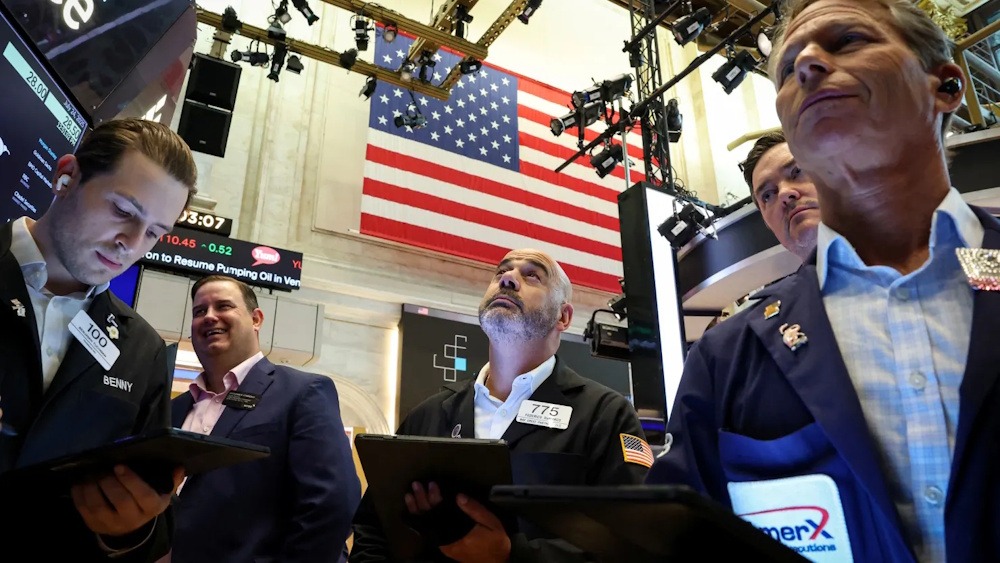
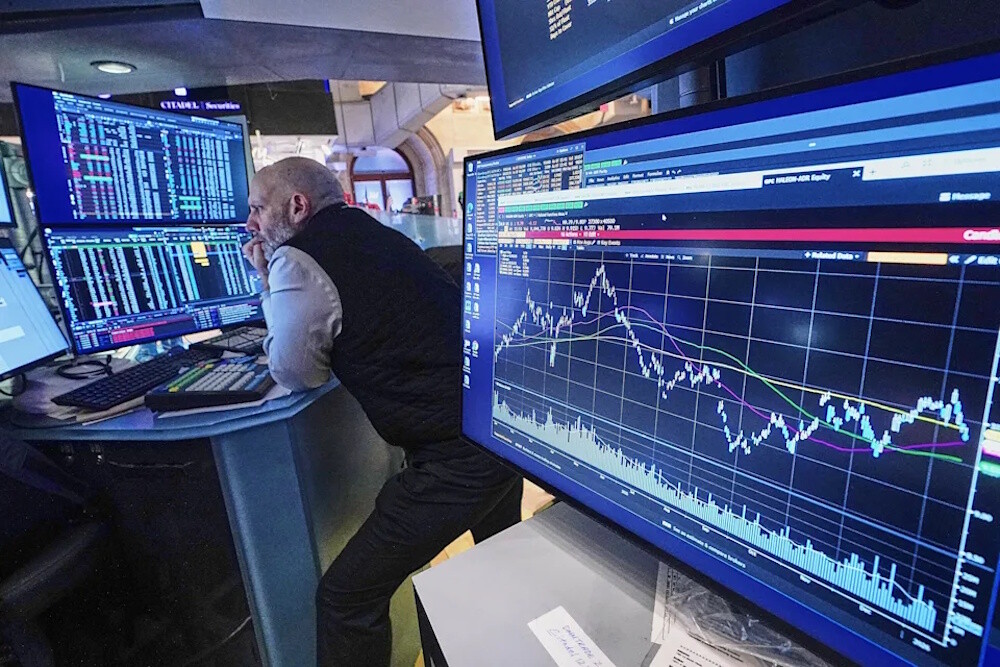
Dow futures indicated a downward trajectory on Friday. By 03:06, the Nasdaq 100 futures contract had declined by 195 points, representing a decrease of 0.7%. The S&P 500 futures experienced a drop of 26 points, equivalent to 0.4%, while Dow futures saw a slight reduction of 31 points, or 0.1%. Stocks on Wall Street experienced a notable decline on Thursday, as the tech-heavy Nasdaq Composite, benchmark S&P 500, and blue-chip Dow Jones Industrial Average all recorded drops exceeding 2%. Expectations quickly diminished that Anthropic’s ground breaking initial offering – the most significant in the history of corporate America – would alleviate recent apprehensions regarding the profitability of companies involved in AI and a possible deceleration in substantial investments in the foundational infrastructure of this emerging technology. “Anthropic’s blockbuster IPO has failed to lift sentiment […] and history offers a note of caution: major IPOs and surging equity issuance often coincide closely with stock market peaks,” said Joe Maher, in a research note. U.S. Treasury yields declined, indicative of a flight to safety prompted by concerns surrounding AI. Yields typically exhibit an inverse relationship with bond prices. However, even that pressure-release valve may have its constraints: The benchmark 10-year Treasury yield has remained high, influenced in part by expectations that the Federal Reserve may raise interest rates as early as next month to address rising inflationary pressures.
As the saying goes, what a difference a day makes. Anthropic shares declined by approximately 5% in after-hours trading, falling below the lowest point reached during its market debut on Thursday. The stock commenced trading at a 34% premium to its IPO price of $83, ultimately reducing those gains to conclude with an increase of 17%. Despite the moderation, Anthropic concluded the session valued at approximately $1.7 trillion, achieving the distinction of being the fastest public company to surpass a trillion-dollar market capitalisation. Anthropic also raised approximately $120 billion from the float and a private placement, significantly exceeding the previous record of $86.25 billion, which included overallotment shares sold by underwriters in SpaceX’s blockbuster IPO earlier this year. While the early surge in Anthropic indicated significant demand for an IPO that was reportedly several times oversubscribed, scepticism emerged regarding the sustainability of that momentum and the elevated valuation in light of increasing concerns surrounding AI.
Globally, the sentiment following the Anthropic debut has been declining. A gauge of global equities is poised for a seventh consecutive day of declines, marking the longest losing streak in more than three years. Meanwhile, a barometer of Asian shares is on track to experience its most significant weekly decline since the tumultuous period of March 2020, when the COVID-19 pandemic severely impacted markets. Stock markets in South Korea and Taiwan, two nations significantly impacted by AI, experienced particularly sharp declines. Major chipmaking stocks negatively impacted both indexes. South Korean memory chip giants Samsung Electronics Co Ltd and SK Hynix Inc experienced declines of 7% and 5.9%, respectively. Taiwan’s TSMC, the world’s biggest contract chipmaker and a major beneficiary of the AI boom, tumbled nearly 5% to a seven-month low. “Anthropic’s strong debut offered only temporary relief […] The listing had been widely viewed as an important test of confidence in the AI trade, but its strong reception was not enough to reverse the broader sell-off as investors continued to reassess elevated technology valuations,” said Chez Anbu
Gold prices experienced significant losses on Friday, positioning themselves for the steepest weekly decline in eight months. This downturn was driven by a stronger U.S. dollar and robust expectations of a Federal Reserve rate hike next month, which diminished demand for bullion. The yellow metal was poised for a 9% weekly decline, marking its most significant drop since March. The dollar remained near a 19-month high, rendering gold priced in dollars more costly for holders of alternative currencies and constraining international demand. Market expectations for a more stringent U.S. monetary policy have risen after the publication of the minutes from the Fed’s October meeting this week, revealing that nearly all policymakers concurred that additional rate hikes would probably be essential to manage inflation effectively. Oil prices, a significant contributor to the inflation surge, were poised for a third consecutive weekly decline. Recent data indicating an improvement in crude supplies has eclipsed concerns regarding a possible resurgence of hostilities between the U.S. and Iran.
According to the source, lenders supporting SpaceX’s most recent $43 billion debt package have requested measures to stop Elon Musk from launching the cutting-edge Nvidia semiconductors that secured the funding into orbit. The report indicated that lenders are apprehensive that the implementation of semiconductors in orbital data centers may complicate the process of repossession and resale in the case of a default, according to sources familiar with the situation. It remains uncertain whether the proposed restriction was incorporated into the final loan documents, according to the report.