Dow Futures rise, following strong earnings from Nvidia that alleviate some of the recent uncertainty surrounding the artificial intelligence sector. The AI giant reports quarterly revenue that exceeds expectations, enticing investors with an optimistic medium-term forecast. Meanwhile, Salesforce has raised its full-year guidance and announced an expanded partnership with Claude-maker Anthropic. Elsewhere, oil prices decline amid optimism for a diplomatic resolution that could cease hostilities in the Middle East and facilitate the reopening of the Strait of Hormuz.
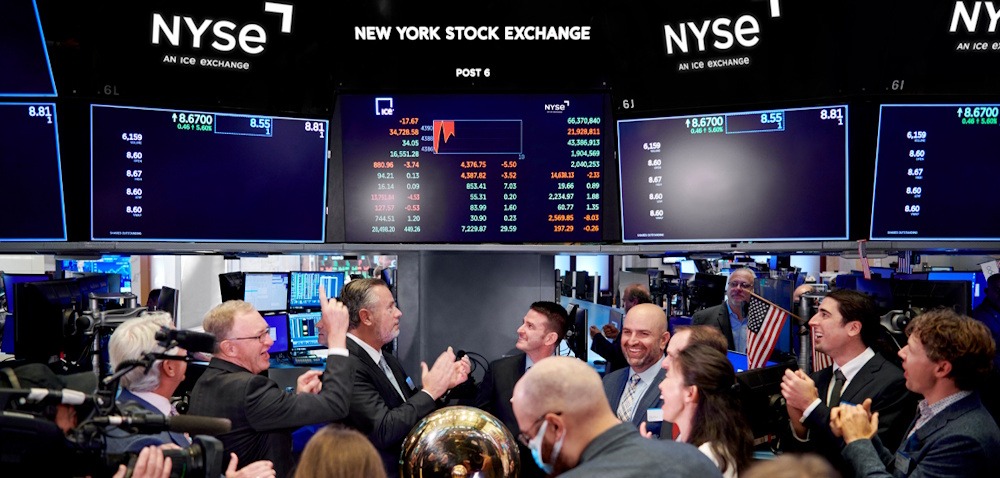
Dow futures indicated an upward trajectory on Thursday, as investors evaluated impressive earnings from the artificial intelligence frontrunner Nvidia and anticipated a significant address from Federal Reserve Chair Kevin Warsh later in the week. By 02:49, the Dow futures contract had increased by 124 points, representing a 0.2% rise, while S&P 500 futures saw a gain of 26 points, or 0.3%. Additionally, Nasdaq 100 futures experienced an uptick of 195 points, equating to a 0.7% increase. The primary indices on Wall Street concluded the trading session on Wednesday with a decline. As traders readied themselves for the post-market release of Nvidia’s highly anticipated quarterly results, they meticulously analysed a set of inflation data that is under the Fed’s close scrutiny. The headline personal consumption expenditures price index for July exceeded expectations slightly, whereas the underlying “core” reading aligned with estimates. Despite indications that inflation continues to be persistently high above the Fed’s 2% target, expectations that the central bank will choose to maintain interest rates at its upcoming meeting in September have remained largely stable. However, there was a more pronounced adjustment in expectations regarding the Federal Reserve’s potential rate hikes in the upcoming months, as analysts at Deutsche Bank highlighted a “solid slate of data,” which includes stronger-than-anticipated durable goods orders and a revision upward in second-quarter consumer spending. These figures were “hard to square with a view that Fed policy is restrictive,” the analysts noted. Analysts indicated that Warsh is unlikely to alter his statements made during the Jackson Hole symposium on Friday. Warsh has previously emphasised that the Fed is dedicated to combating inflation.
The primary catalyst influencing sentiment in anticipation of Thursday’s session is the substantial returns reported by Nvidia, which have propelled shares of the AI industry leader higher in after-hours trading. Nvidia’s second-quarter revenue exceeded Wall Street forecasts, as did its guidance for current-quarter sales of $108 billion. Markets paid particular attention to the optimistic medium-term outlook presented by Nvidia executives during the post-earnings call with analysts. CFO Colette Kress indicated that revenue growth of 70% is now anticipated for the company’s 2028 fiscal year, significantly exceeding the 45% forecasted by FactSet data, as reported by the source. The combination of robust revenue and positive guidance seemed to alleviate recent apprehensions regarding the AI boom. Concerns have emerged regarding the viability of excessive megacap expenditures on data centers, particularly following indications from various AI hyperscalers about strain on free cash flow. Simultaneously, investors have carefully scrutinised Nvidia’s approach of utilising its balance sheet to assist customers in building the data centers that accommodate its advanced chips. Kress posited that the investments will yield significant returns, asserting that large frontier AI labs will ultimately evolve into “the largest technology companies in history.” Analysts at BofA said in a note to clients “Management delivered a compelling vision of how strategic investments help Nvidia secure its dominance in this once-in-a-generation AI buildout.” However, analysts including Vivek Arya have highlighted risks to Nvidia’s gross profit margins stemming from the rising prices of memory chips. In the third quarter, Nvidia’s gross margins are expected to decline to 74% from 75%, with projections indicating a further decrease to a range of 71% to 72% in the fourth quarter, according to Kress.
Further enhancing the sentiment leading into Thursday’s session were the more favorable-than-anticipated second-quarter profit and revenue results from enterprise software company Salesforce. The San Francisco-based company has also raised its full-year sales and profit outlook, with CEO Marc Benioff stating, “AI is delivering value across every layer of our platform.” Shares experienced a surge exceeding 13% in after-hours trading. Analysts noted that Salesforce reaffirmed its expectation for growth metrics to re-accelerate in the latter half of its 2027 fiscal year. “The news comes in stark contrast to other front-office software vendors that referenced extended sales cycles through 2026, and points to potential advantages for Salesforce,” the analysts wrote. Salesforce has announced an expanded partnership with AI startup Anthropic. The two firms will collaborate to develop what they have termed “Claudeforce,” a system designed to integrate Anthropic’s advanced plug-ins with Salesforce’s suite of business tools. Selected pilot customers can now access the offering, as the companies plan to release a beta version next month.
One of the prominent entries on Thursday’s earnings calendar will be Marvell Technology, the chipmaker that Nvidia CEO Jensen Huang once referred to as the next “trillion-dollar company.” Marvell’s market capitalisation currently hovers around $215 billion, with the stock experiencing a remarkable surge, increasing by over 174% year-to-date. Marvell is set to announce its results following the conclusion of trading on Wall Street. The company, which has received financial backing from Nvidia, designs custom AI processors and interconnect technologies that are crucial in data centers by connecting the chips that support AI models. In May, Marvell forecasted that custom chip revenue would surpass $10 billion by 2029, propelled by increasing demand from cloud companies.
Oil prices experienced a decline on Thursday, marking the fourth consecutive session of falling prices as market participants maintained optimism regarding the potential for improved supplies from the Middle East. A report indicated that Iran and Oman have come to an agreement regarding commercial shipping routes through the Strait of Hormuz. However, Tehran cautioned that this agreement might not lead to an immediate reopening of the crossing. Benchmark Brent crude futures and U.S. West Texas Intermediate crude futures experienced a decline of over 6% this week, as optimism regarding a potential deal significantly overshadowed the ongoing tensions between the U.S. and Iran. Washington implemented more stringent economic sanctions on Tehran earlier this week and cautioned nations against engaging in trade with the country. However, reports indicated a possible enhancement in U.S.-Iran relations. Russian state media indicated that the two parties had arrived at a new ceasefire agreement, which is expected to be announced in the forthcoming days, though this information could not be independently confirmed at this time.