Dow futures showed minimal movement on Friday following Nvidia’s impressive earnings, which have reignited enthusiasm in the technology sector. Investors are now focusing on the highly anticipated speech by Federal Reserve Chair Kevin Warsh at Jackson Hole. Meanwhile, renewed uncertainty surrounding U.S.-Iran negotiations has led to an increase in oil prices, while PayPal experienced a significant decline following the collapse of takeover discussions.
Dow futures exhibited minimal fluctuations early Friday, following Nvidia’s stronger-than-anticipated outlook, which contributed to an uplift in Wall Street during the preceding session. S&P 500 futures remained unchanged, whereas Nasdaq 100 futures experienced a decline of 0.3%. Dow futures showed an increase of 0.2%. Nvidia shares surged 8.7% on Thursday following the chipmaker’s optimistic revenue forecast, alleviating worries that investment in artificial intelligence infrastructure might be waning. The gains contributed to an uplift in the broader market, with the S&P 500 experiencing an increase of 0.7%, the Nasdaq Composite advancing by 1.6%, and the Dow recording a rise of 0.2%. For retail investors, Nvidia’s results are significant due to the company’s pivotal role in the AI investment surge. Robust demand for its chips bolsters not only Nvidia but also the broader technology firms engaged in the construction and operation of AI data centers.
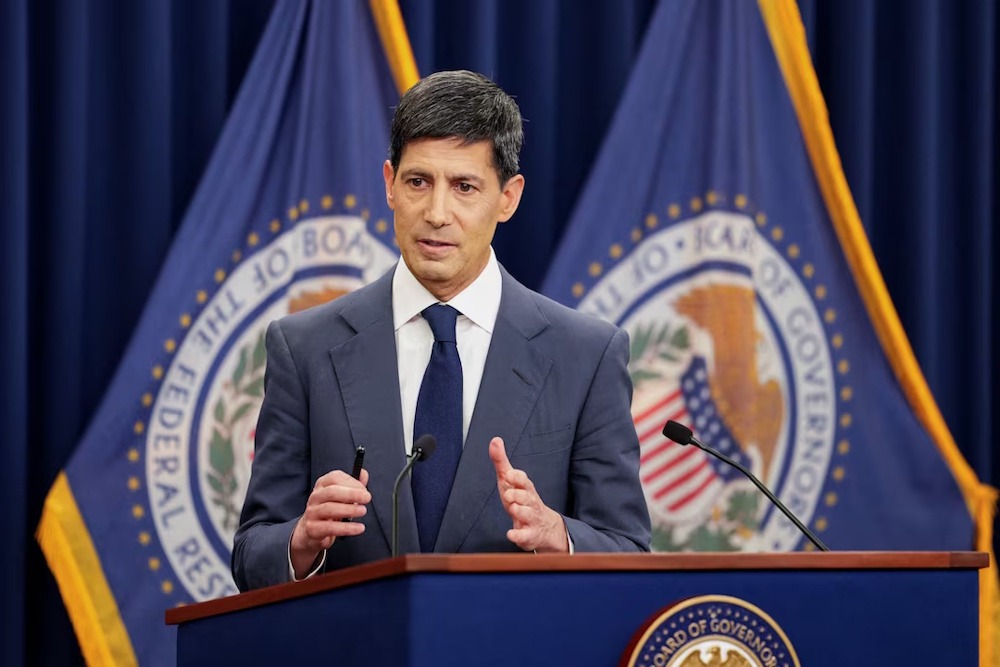
Attention now turns to Fed Chair Kevin Warsh, who is set to present the keynote address at the central bank’s annual symposium in Jackson Hole, Wyoming, later on Friday. Investors will be attentive to indications regarding the Federal Reserve’s perspective on enduring inflation and the forecast for interest rates. Recent data indicate that price pressures persist at elevated levels, while Treasury yields remain high due to concerns surrounding inflation, substantial government borrowing, and the anticipated trajectory of monetary policy. For investors, Warsh’s message may exert a direct influence on equities and fixed-income securities. A hawkish signal suggesting rates could remain elevated for an extended period would likely exert pressure on high-priced growth stocks, whereas indications that the Fed is becoming more amenable to lower rates could offer an additional uplift to equities.
Nvidia’s robust earnings were not the sole corporate development drawing interest. The chipmaker has also paused certain agreements under a financing initiative aimed at assisting AI cloud companies in acquiring its chips, sources reported. The program, announced less than two months ago, offered credit support to AI cloud companies in return for a portion of their revenue. Concerns regarding potential antitrust scrutiny have reportedly been raised by some employees of Nvidia. The exact rationale for the pause is not fully understood, and Nvidia retains the option to alter the program. The development contributes to the increasing examination of Nvidia’s investments in AI companies that eventually turn into consumers of its chips. The company has defended these investments, with CEO Jensen Huang asserting that AI startups necessitate exceptionally large amounts of capital. For investors, the matter holds significance as Nvidia is progressively engaging in financing the ecosystem that propels demand for its own offerings. That has the potential to expedite growth; however, it may also invite regulatory examination and provoke enquiries regarding conflicts of interest.
PayPal shares experienced a significant decline of 12.2% in after-hours trading following the news that a consortium led by Advent International and Stripe has ceased its efforts to acquire the payments company, according to sources. The group had reportedly offered $60.50 per share, valuing PayPal at over $53 billion. The board of PayPal deemed the offer insufficient and expressed apprehensions regarding regulatory and financing challenges. The collapse is particularly significant as takeover speculation had contributed to the rise of PayPal shares from their 52-week low of $38.46 following the emergence of deal discussions in July. For investors, the sharp decline serves as a poignant reminder of the inherent risks associated with purchasing a stock predominantly influenced by takeover expectations. Once a potential deal vanishes, the market must reevaluate the company in light of its fundamental operations and growth potential.
Oil prices increased following a report indicating that the Trump administration has informed mediators of its disinterest in reverting to a June memorandum of understanding with Iran. The agreement, signed by President Donald Trump at the Palace of Versailles, established a framework for the reopening of the Strait of Hormuz and initiated discussions regarding Iran’s nuclear program in return for sanctions relief and access to frozen Iranian assets. According to source, Washington has now adopted a strategy of maximum economic pressure and shows no inclination to restore the agreement. The report propelled Brent crude above $88 a barrel and exerted pressure on equity markets as investors expressed concerns regarding potential renewed disruptions to oil shipments through the Strait of Hormuz. For retail investors, oil holds significance as a prolonged increase in crude prices can translate into higher petrol, transportation, and various other expenses, thereby contributing to elevated inflation levels. That could complicate the Federal Reserve’s ability to lower interest rates and may introduce an additional challenge for equities.